What Makes an Assisted Living Area Seem Like Home?
@deanmyss563
November 5, 2026 · 19 min read
Business Name: BeeHive Homes of Bosque Farms
Address: 1935 Bosque Farms Blvd, Bosque Farms, NM 87068
Phone: (505) 357-0505
BeeHive Homes of Bosque Farms
Beehive Homes of Bosque Farms assisted living care is ideal for those who value their independence but require help with some of the activities of daily living. Residents enjoy 24-hour support and caring assistance, private rooms and home-cooked meals. Assisted living should feel like home. Welcome home!
1935 Bosque Farms Blvd, Bosque Farms, NM 87068
Business Hours
Home is not just a roofing, a floor plan, or a preferred chair in the corner. For older grownups taking into consideration assisted living, "home" normally implies something far more practical and even more personal. It indicates knowing where the coffee is in the morning, acknowledging individuals that walk by your door, feeling safe enough to rest well, and having sufficient option left in the day to feel like yourself.
That is why two assisted living communities can offer virtually the same services theoretically and still really feel totally various in real life. One may be tidy, effective, and well-run, however really feel impersonal. An additional might have the same level of care, yet in some way feel warmer the minute you walk in. The distinction often comes down to details that are very easy to forget if you are just comparing sales brochures, regular monthly rates, or searching for "assisted living near me" on a phone late at night.
A home-like community is hardly ever improved one large function. It is normally the outcome of several small, stable options made by management, personnel, locals, and family members. The shades on the walls matter a little. The food matters more than people expect. The means personnel welcome locals issues every single day. So does personal privacy, autonomy, and whether a resident can keep their routines undamaged, also as they receive help with showering, medication suggestions, clothing, or meals.
Familiarity carries even more weight than luxury
People often think that a home-like environment should resemble a developer design apartment or condo. In technique, the reverse is usually real. A location can be attractive and still really feel chilly if it is also polished to be stayed in. What most homeowners respond to is knowledge. A preferred recliner, a family members quilt, framed photographs, a lamp from home, and a shelf that reflects a life well lived can change the feeling of a room more than costly furnishings ever will.
The best assisted living areas recognize this. They do not treat personalization as a minor detail. They motivate it because it helps residents orient themselves, loosen up, and protect identity. Moving from a longtime residence to senior living can feel disorienting, particularly for somebody that has spent decades in one location. Recreating a sense of connection assists bridge that gap.
I have seen residents clear up in faster when their apartment or condo door has a wreath they selected themselves, or when their restroom shelf is organized in the same order they used for years. Small connection issues. It is not nostalgic decor. It is useful confidence. It informs the brain, "This is still my life."
The tone of the team shapes everything
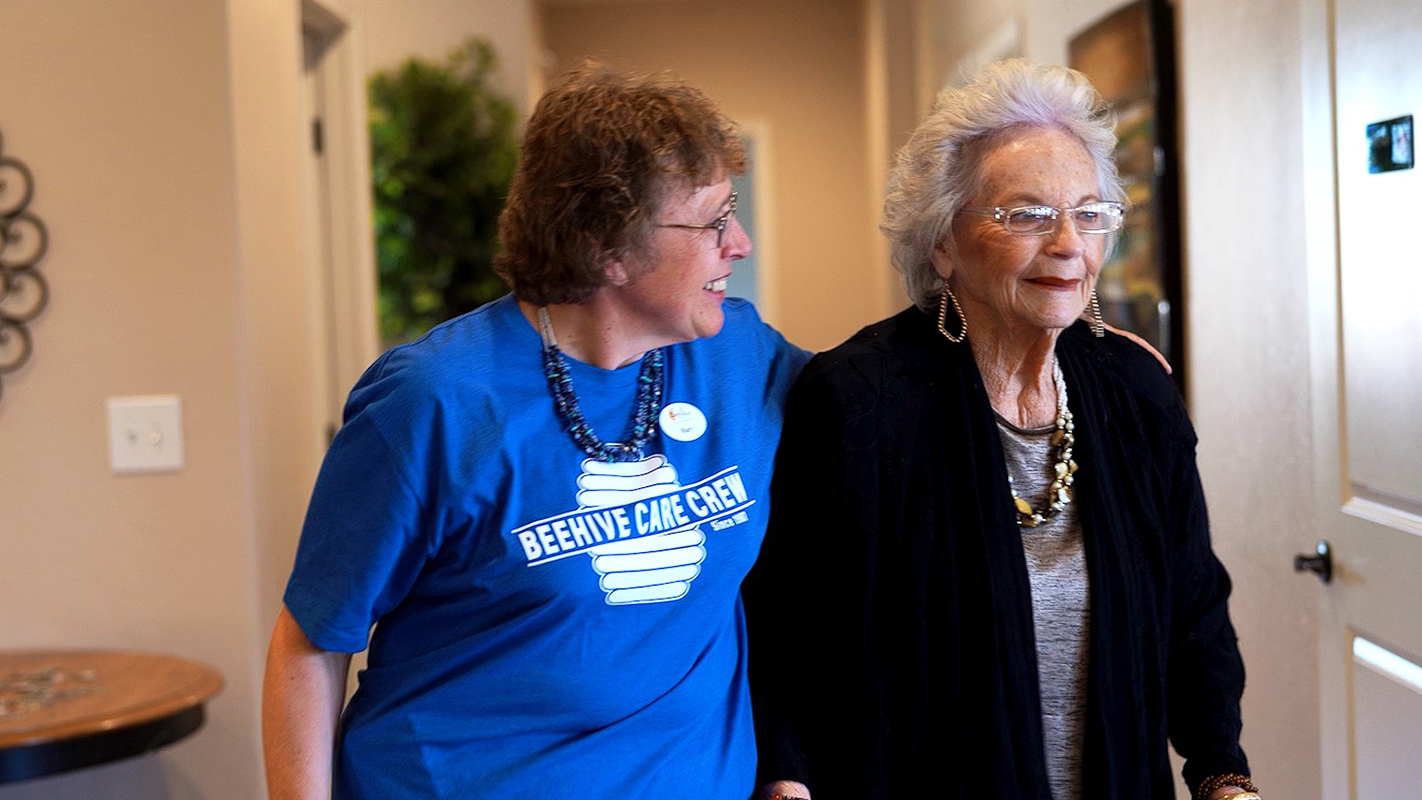
People frequently focus initially on the physical setting, yet the real ambience of a community is developed by the personnel. Locals observe whether team members talk with them or regarding them, whether they knock prior to getting in, whether they keep in mind names, and whether they appear hurried or genuinely present.
The best personnel in assisted living do more than total jobs. They build connections via repetition and consistency. They recognize that likes strong coffee, that prefers a quieter lunch table, and that comes to be nervous when routine modifications. Those details may appear small from the outdoors, but they are the difference between sensation managed and sensation cared for.
An area can have outstanding professional procedures, however if the tone is rushed or transactional, residents feel it promptly. People of any age can sense when a location is only doing service. Older adults are especially proficient at reviewing whether they are genuinely seen. A warm welcoming at morning meal, an unhurried conversation in the hallway, or a caretaker who notifications that someone is quieter than typical can transform the emotional environment of an entire wing.
That is why family members searching for senior care near me need to focus not only to credentials, however to the rhythm of daily interactions. Does personnel seem to know locals by name? Do they make eye get in touch with? Do they seem to take pleasure in being there? Those observations tell you a wonderful deal.
Control over life maintains dignity
One of the most neglected components of a home-like assisted living setting is choice. Older grownups hardly ever want total self-reliance in the abstract. They desire adequate control to preserve dignity. They want to decide when to get up ideally, what to put on, where to rest, whether to sign up with an activity, and just how much assistance they want with individual care.
This matters more than individuals recognize. When every component of the day is dictated by a schedule developed for efficiency, a resident can begin to seem like a traveler in their own life. On the other hand, even small adaptability can make a community feel respectful and acquainted. If morning meal runs till a practical hour, if a resident can miss one activity and attend one more later on, if bath times are coordinated around preferences as opposed to benefit alone, the entire experience changes.
Good assisted living does not imply getting rid of all rubbing from the day. It means making the ideal things simpler while maintaining purposeful selection. That balance takes judgment. Excessive framework can feel institutional. Too little framework can create confusion. A home-like setting lands someplace in the middle, with enough support to lower stress and anxiety and enough versatility to recognize personality.
Privacy matters greater than square footage
A typical blunder when examining senior living is to concentrate only on apartment or condo size. Bigger is nice, but personal privacy is normally more vital. A smaller space can really feel deeply home-like if it provides a sense of possession, quiet, and clear boundaries.
Residents need areas where they can be alone, make a phone call, pray, snooze, read, or simply close the door. Shared rooms are very important for connection, yet no person feels comfortable if they are constantly exposed. Assisted living must strike a balance between area and retreat.
The finest neighborhoods are thoughtful about changes in between public and personal areas. Hallways ought to not feel like web traffic lanes. Usual locations should welcome conversation without requiring it. Houses must be easy to individualize, and personnel should comprehend that knocking, waiting, and valuing entry are not small courtesies. They become part of protecting an individual's feeling of self.
This becomes especially crucial for citizens who are naturally exclusive, those adjusting after a medical facility stay, or individuals that are getting respite look after a short duration and do not yet really feel settled. When people understand they can go back and collect yourself in peace, they loosen up into the setting extra quickly.
Meals can make or damage the sensation of home
Few points shape daily life more than food. A community might supply superb care, however if meals are dull, rushed, or offered without interest to preference, residents commonly really feel the loss promptly. Food lugs memory. It notes regular. It can evoke family, society, seasons, and comfort.
Assisted living eating ought to not really feel like a snack bar line unless that is the only style somebody likes. Also after that, service design matters. A warm table setting, identifiable menu choices, and personnel who discover whether a person consumed well can make dishes really feel individual instead of procedural. The odor of fresh bread, soup, or coffee can do more to settle a newbie than a shiny pamphlet ever could.
Home-like eating also values that appetites alter with age. Some people consume much less at dinner and even more earlier in the day. Others have dental problems, swallowing concerns, or medications that modify taste. A thoughtful community readjusts without making the resident feeling tough. That level of sensitivity becomes part of the emotional structure of home.
Families usually inquire about menus when they are comparing assisted living options, and rightly so. Ask not just what is served, but just how the dining room feels. Do citizens stick around? Exist actual conversations? Can people request replacements when needed? Does the personnel pay attention to favorites and dislikes? These are the indicators that food is being utilized to nurture greater than the body.
Small regimens build belonging
Home is typically built from repeating. The same early morning stroll. The same crossword at the exact same table. The same group of neighbors that swing every mid-day. Areas that really feel home-like recognize the power of regular and safeguard it.
This does not indicate daily must be identical. Vice versa. Range matters. Yet residents generally really feel much more comfortable when there is a predictable baseline. If they understand when coffee is offered, when washing obtains returned, and which personnel normally leads the exercise course, they can settle in without constantly reorienting themselves.
That feeling of rhythm becomes specifically important for locals experiencing amnesia, sensory changes, or anxiety. Predictability reduces strain. It aids individuals preserve power for the components of the day they actually intend to enjoy.
An excellent assisted living community usually establishes little rituals without trying as well hard. Someone always plays the piano after lunch. A certain caregiver sign in prior to dinner. One resident waters the yard plants every morning. These habits are not insignificant. They develop a lived-in atmosphere that can not be produced overnight.
Connection needs to really feel natural, not forced
A home-like community welcomes link, but it does not push homeowners to be social every min of the day. That distinction issues. Some older adults are outgoing and will happily sign up with every game, outing, and happy hour. Others prefer a smaller circle and silent companionship. Great senior living values both.
The most inviting communities make it easy to participate without making it unpleasant to decline. Activities should feel like possibilities, not commitments. Homeowners need to have the ability to join a group if they want to, or remain in their house with a book and still feel completely included in neighborhood life.
This is where assisted living can actually shine compared with isolation in your home. The appropriate neighborhood offers people access to others without requiring efficiency. A few minutes of discussion in the hallway, a common problem table, or a seated horticulture club can decrease solitude in a manner that really feels natural. With time, a resident may uncover a friend who sits close by at lunch or joins them for a weekly getaway. Those connections frequently matter more than any official programming.
A home-like setting likewise identifies that despair, adjustment, and personality differences are genuine. Not everyone arrives ready to make good friends. Some people are tired from a recent loss or surgical treatment. Others require time to observe prior to they get involved. Appreciating that speed is essential.
The physical atmosphere need to support the senses
A neighborhood that seems like home typically obtains the sensory experience right. Lights is softer but appropriate. Corridors are easy to navigate. Sound is regulated without making the area really feel silent or drab. Temperature fits. Smells are handled without hefty artificial scents. These information matter because the body registers them long before the mind creates an opinion.
Older grownups are commonly a lot more conscious glare, echo, and strong smells. A place that appears stylish to a younger visitor can really feel extreme to a resident that invests throughout the day there. The most effective neighborhoods represent this by selecting calmer products, clear signs, and comfortable seating that supports real usage, not simply appearance.
Safety attributes ought to mix right into the atmosphere as opposed to dominate it. Handrails, walk-in showers, non-slip floors, and well-lit courses need to make people really feel safe and secure, not professional. That is part of what divides a true home-like atmosphere from a center mentality. Safety must exist, yet not the only visible message.
Outside areas matter as well. A yard, deck, or strolling path can be transformative. Also a couple of mins of fresh air and sunshine can change the feeling of the day. For lots of homeowners, the capacity to step outside without inconvenience is not a luxury. It becomes part of staying grounded.
Family participation should feel welcome, not restricted
Families are usually component of what makes a neighborhood feel like home, particularly throughout the very early transition. The most effective assisted living communities include that involvement. They invite visits, encourage interaction, and treat loved ones as companions rather than interruptions.
That said, families likewise require to see whether personnel can set healthy boundaries. A home-like setup is not one where relatives do everything. It is one where the resident remains central, and the care group interacts plainly about what is occurring, what is altering, and what support is needed.
When households are maintained educated, they unwind. When they feel listened to, they rely on the setting much more. That count on assists the resident clear up in. It additionally makes hard minutes easier, whether they involve a medication change, a decrease in mobility, or a temporary demand for respite care after a hospitalization or caretaker exhaustion at home.
For adult children contrasting senior care, the appropriate question is not simply whether they are allowed to visit. It is whether they are respected as educated participants in the resident's life, while still enabling the resident to own that life. That balance can be delicate, however it is among the clearest indications of a mature community.
What to observe during a visit
A brightened tour can hide a lot, so it aids to observe what takes place when the tour mores than and normal life resumes. The lobby may look attractive, but are homeowners lingering there because they wish to, or since they have nowhere else to go? Do staff members greet individuals by name? Are citizens alert, dressed comfortably, and moving at their own speed? Is there evidence of the real world, not simply staging?
Pay focus to whether the setting feels customized. Look for acquainted things in apartments, resident art work, neighborhood bulletin board system, and areas that seem made use of rather than displayed. A place that really feels home-like usually has signs of long-lasting inhabitation. The edges are softened by daily life.
You can find out a whole lot by asking sensible concerns also. Just how are preferences taped? How are changes in problem communicated? What takes place if a resident intends to miss an activity or consume later on? Exactly how does the community assistance a person that needs a little even more support over time? These concerns reveal whether the personnel sees assisted living as a fixed solution or as a living relationship.
Here are a few signs that generally point in the right direction:
- Residents show up comfy in common areas and seem to recognize where they are going.
- Staff participants speak to homeowners normally, not just efficiently.
- Apartments and shared areas reflect genuine personal things, not common staging.
- Daily routines permit choice as opposed to stiff uniformity.
- The neighborhood really feels tranquility, stayed in, and mindful without really feeling excessively controlled.
Those indicators do not guarantee excellence, however they do recommend that the area recognizes what home truly means.
Home is a sensation, yet it is additionally a practice
A home-like assisted living neighborhood does not take place by mishap. It is constructed through hundreds of common choices, most of them unnoticeable. Just how the early morning handoff is done. Whether someone keeps in mind a resident's preferred nickname. How assisted living bosque farms nm swiftly a maintenance concern obtains taken care of. Whether a personnel notifications when a longtime napper is avoiding lunch. Whether the community enables individuals to keep the rhythms that make them feel like themselves.
That is the genuine action of assisted living at its finest. Not whether it appears like a home from a distance, yet whether people living there can still recognize their very own lives inside it.
For some citizens, that home feeling arrives quickly. For others, it takes time. A move can be psychologically complicated, also when it is the appropriate decision. Yet with a thoughtful setting, considerate care, and enough space for individuality, assisted living can end up being greater than a location of support. It can come to be a place where life continues with convenience, dignity, and a familiar sense of belonging.

BeeHive Homes of Bosque Farms provides assisted living care
BeeHive Homes of Bosque Farms provides memory care services
BeeHive Homes of Bosque Farms provides respite care services
BeeHive Homes of Bosque Farms supports assistance with bathing and grooming
BeeHive Homes of Bosque Farms offers private bedrooms with private bathrooms
BeeHive Homes of Bosque Farms provides medication monitoring and documentation
BeeHive Homes of Bosque Farms serves dietitian-approved meals
BeeHive Homes of Bosque Farms provides housekeeping services
BeeHive Homes of Bosque Farms provides laundry services
BeeHive Homes of Bosque Farms offers community dining and social engagement activities
BeeHive Homes of Bosque Farms features life enrichment activities
BeeHive Homes of Bosque Farms supports personal care assistance during meals and daily routines
BeeHive Homes of Bosque Farms promotes frequent physical and mental exercise opportunities
BeeHive Homes of Bosque Farms provides a home-like residential environment
BeeHive Homes of Bosque Farms creates customized care plans as residents’ needs change
BeeHive Homes of Bosque Farms assesses individual resident care needs
BeeHive Homes of Bosque Farms accepts private pay and long-term care insurance
BeeHive Homes of Bosque Farms assists qualified veterans with Aid and Attendance benefits
BeeHive Homes of Bosque Farms encourages meaningful resident-to-staff relationships
BeeHive Homes of Bosque Farms delivers compassionate, attentive senior care focused on dignity and comfort
BeeHive Homes of Bosque Farms has a phone number of (505) 357-0505
BeeHive Homes of Bosque Farms has an address of 1935 Bosque Farms Blvd, Bosque Farms, NM 87068
BeeHive Homes of Bosque Farms has a website https://beehivehomes.com/locations/bosque-farms/
BeeHive Homes of Bosque Farms has Google Maps listing https://maps.app.goo.gl/VeA8p86Gp4TSGBN7A
BeeHive Homes of Bosque Farms has Facebook page https://www.facebook.com/BeehiveHomesBosqueFarms
BeeHive Homes of Bosque Farms won Top Assisted Living Homes 2025
BeeHive Homes of Bosque Farms earned Best Customer Service Award 2024
BeeHive Homes of Bosque Farms placed 1st for New Mexico Senior Living Communities 2025
People Also Ask about BeeHive Homes of Bosque Farms
What is the monthly room rate at BeeHive Homes of Bosque Farms?
Monthly room rates are based on each resident’s individual care needs. Before move-in, we complete an initial evaluation to better understand the level of support, assistance, and daily care that may be needed. This helps us provide a clear monthly rate that reflects the resident’s personalized care plan. We believe families deserve honest conversations and transparent pricing, with no hidden costs or surprise fees.
Can residents stay at BeeHive Homes of Bosque Farms through the end of life?
In many cases, yes. Our goal is to help residents remain in the comfort of a familiar, homelike setting for as long as their needs can be safely and appropriately met. There may be exceptions if a resident requires a higher level of skilled nursing care, ongoing medical treatment beyond assisted living services, or if safety concerns arise. When those moments come, we work with families, physicians, and care partners to help guide the next step with compassion and clarity.
Does BeeHive Homes of Bosque Farms have a nurse on staff?
BeeHive Homes of Bosque Farms does not have a full-time nurse living on-site, but we do have access to a consulting nurse. If a resident needs additional nursing services, a physician may order home health services to come directly into the home. This allows residents to receive supportive care in a comfortable residential environment while still having access to outside clinical services when appropriate.
What are the visiting hours at BeeHive Homes of Bosque Farms?
We welcome family visits and understand how important it is for residents to stay connected with the people they love. Visiting hours are flexible and are adjusted around the needs of each resident and family. We simply ask that visits be respectful of residents’ routines, rest, meals, and the peaceful rhythm of the home — not too early, not too late, and always centered on what is best for the resident.
Are couples’ rooms available at BeeHive Homes of Bosque Farms?
Yes, BeeHive Homes of Bosque Farms may have rooms designed to accommodate couples, depending on availability. For many couples, staying together while receiving the right level of assisted living support can bring comfort, familiarity, and peace of mind. We encourage families to ask about current room options, availability, and how care plans can be personalized for each spouse.
What makes BeeHive Homes of Bosque Farms different from larger assisted living facilities near Albuquerque?
BeeHive Homes of Bosque Farms offers care in a smaller, residential-style setting rather than a large institutional facility. Nestled in the quiet village of Bosque Farms, just south of Albuquerque, our homes are designed to feel personal, peaceful, and familiar. Residents receive support with daily needs in a setting where caregivers can truly get to know their routines, preferences, and personalities. For families looking for assisted living near Albuquerque with a more intimate, homelike feel, BeeHive Homes of Bosque Farms offers a comforting alternative.
Is BeeHive Homes of Bosque Farms a good option for families in Los Lunas, Peralta, Belen, and Albuquerque?
Yes. BeeHive Homes of Bosque Farms is conveniently located in Valencia County and serves families throughout Bosque Farms, Los Lunas, Peralta, Belen, and the greater Albuquerque area. Its location on Bosque Farms Boulevard offers families a peaceful village setting while still being close enough for regular visits, appointments, and family involvement. For many families, that balance of quiet surroundings and nearby access makes BeeHive Homes of Bosque Farms a natural choice for assisted living and memory care.
Where is BeeHive Homes of Bosque Farms located?
BeeHive Homes of Bosque Farms is conveniently located at 1935 Bosque Farms Blvd, Bosque Farms, NM 87068. You can easily find directions on Google Maps or call at (505) 357-0505 Monday through Sunday 9:00am to 5:00pm
How can I contact BeeHive Homes of Bosque Farms?
You can contact BeeHive Homes of Bosque Farms by phone at: (505) 357-0505, visit their website at https://beehivehomes.com/locations/bosque-farms/ or connect on social media via Facebook
Residents may take a trip to the Valencia County Fair Grounds. Valencia County Fair Grounds offer open space suitable for assisted living, memory care, senior care, elderly care, and respite care strolls.